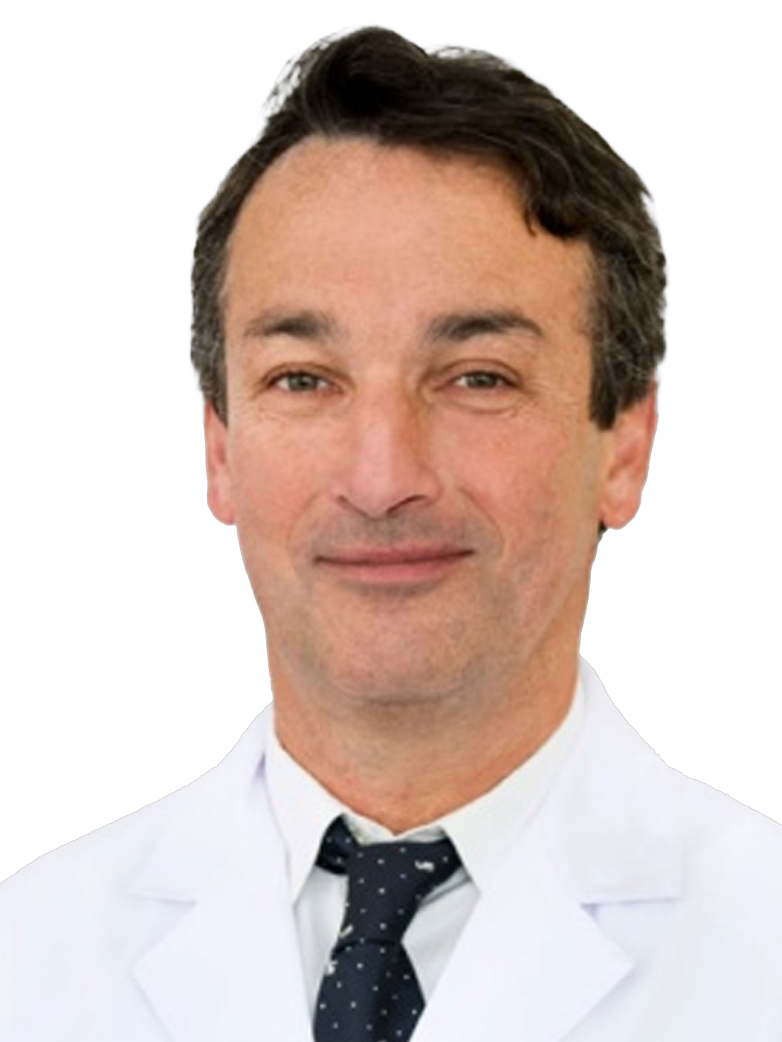
Dr. Patrick Noel - Bariatric Surgeon is well-experienced and a Pioneer in the field of Bariatric Surgery as he has received extensive training in minimally invasive Bariatric surgery, swiftly establishing himself as one of the most respected laparoscopic surgeons in France. Dr. Patrick has performed over 7,000 bariatric procedures, including sleeve gastrectomy, gastric bypass, duodenal switch, SADI, and gastric banding, with more than 1000 revisional procedures.
His dedication led him to become the foremost practitioner of bariatric procedures in the country. In 2012, Dr. Patrick gained global recognition for his expertise at the Sleeve Consensus Summit in New York. He was invited to present his extensive experience in revisional surgery, ranging from gastric banding to sleeve gastrectomy, as a reviewer for Surgery for Obesity And Related Diseases (SOARD).
Dr. Patrick is the innovator behind the ‘Posterior Approach to the Sleeve Gastrectomy,’ a technique that enables quicker surgeries with minimal incisions and without the use of a liver retractor. More recently, Dr. Patrick played a pivotal role in developing and introducing the BariClip, an innovative surgical technique in the field of bariatrics. He became the first surgeon to implement this technology in the Middle East and Europe.

The bariclip is a foreign body about 15cm long that is used to clip the stomach. It is a relatively recent technique that allows for a reversible bariatric intervention. Studies evaluating the results and safety of the bariclip started with pigs (preclinical phase), moving to the clinical human phase around 2012. The clip is applied using a laparoscopic approach, with placement of 5 trocars. The technique is quite simple and the results are very promising. Long-term follow-up data is lacking, but the bariclip may be a valid alternative to classic bariatric procedures.
Published
Aug 2021
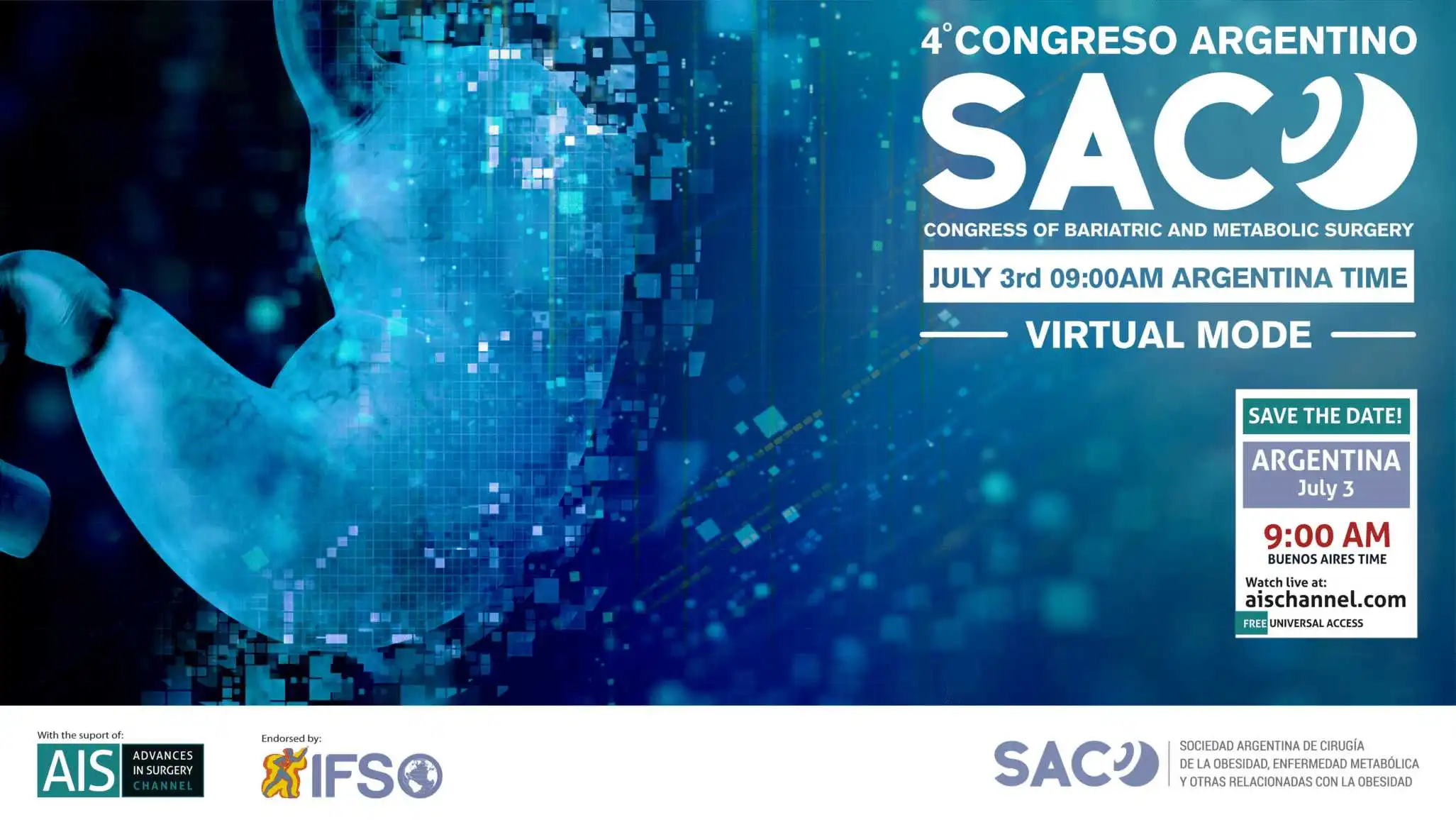
4th International Bariatric Club Symposium at the Argentinian Society of Bariatric Surgery (SACO) Annual Congress
Published
Jul 2021

Gastroesophageal reflux disease (GERD) is a contraindication for sleeve gastrectomy (SG) for 23.3% of experts according to the results of the 5th International Consensus Conference on the current status of SG. GERD can be the result of SG, caused by the increased intraluminal pressure or twisting. The onset of new symptoms after surgery is detected in 10-23% of patients who undergo a SG, whereas lower rates are found after gastric bypass (GB) or adjustable banding. These rates vary depending on the definition of GERD that is used for diagnosis. The use of a complete physiopathological evaluation with a validated questionnaire, upper endoscopy, esophageal manometry and 24-hour pH may more accurate, detecting 5.4% of real “de novo” GERD. Symptoms of GERD seem to improve after GB, even though some studies have reported up to 28% of GERD 10 years after GB. However, rates of reoperation after SG because of GERD are very low. A GB is indicated in these cases, as well as a repair of hiatal herniation. Barret’s esophagus (BE) is also a concern in these cases. Its progression factors are age over 70, male gender, no proton-pump inhibitor (PPI) treatment, candidiasis, and no anti-reflux surgery. Systematic endoscopies and biopsies are indicated. Treatment of BE includes techniques such as radiofrequency or electrical stimulation of the lower esophageal sphincter. Nevertheless, esophagogastric cancer after bariatric surgery is very rare. Finally, Dr. Noel talks about the gastric clip or reversible laparoscopic SG, which might be an option in the future.
Published
Jul 2018
Help your network discover Dr. Patrick Noel's clinical expertise.