
Our Purpose and Core Values
All our activities are based on out corporate philosophy, wchic consists of Our Purpose and Our Core Values.
OUR PURPOSE
Making people's lives healthier, safer and more fulfilling
OUR CORE VALUES
Patient Focus: We put patients at the heart of everything
Integrity: We do the right thing
Innovation: We look for new ways to make things better
Impact: We take accountability and get things done
Empathy: Wecare for one another and work together
What makes us proud at Olympus?
Supporting cutting-edge medical procedures, advancing ever forward to be a company esteemed by all stakeholders for its quality and innovation. But it’s not just what we do, it’s how we do it. We put patients at the heart of everything. In maintaining our patient focus, we diligently consider the realities faced by patients, customers, and healthcare systems in developing meaningful solutions. Striving to defy convention and stay ahead of the curve, we continuously try new things. For the sake of innovation that improves patient lives, we look for new ways to make things better. Embracing ownership of our work and fostering cooperation across functions and regions is essential to keep delivering value to society and make an impact. We take accountability and get things done. Collaborations flourish when we treat all individuals with respect and invite diverse perspectives, demonstrating empathy. We care for one another and work together. And we earn the trust and confidence of others by delivering excellence and high quality and learning from our mistakes. To embody integrity in our every interaction, we do the right thing. This is how we make people’s lives healthier, safer and more fulfilling.
Learn more in detail about the products by visiting the "Devices" tab.
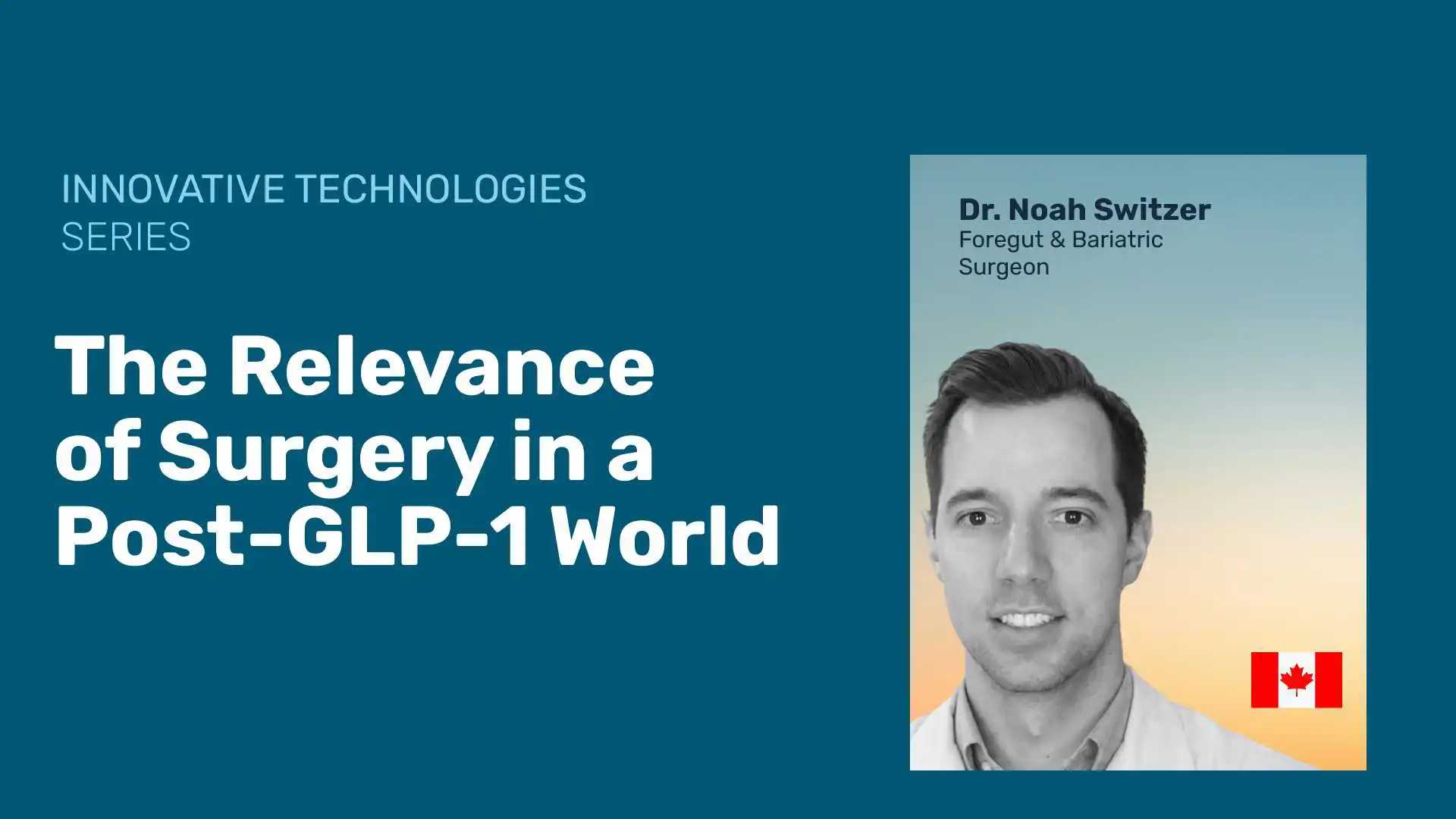
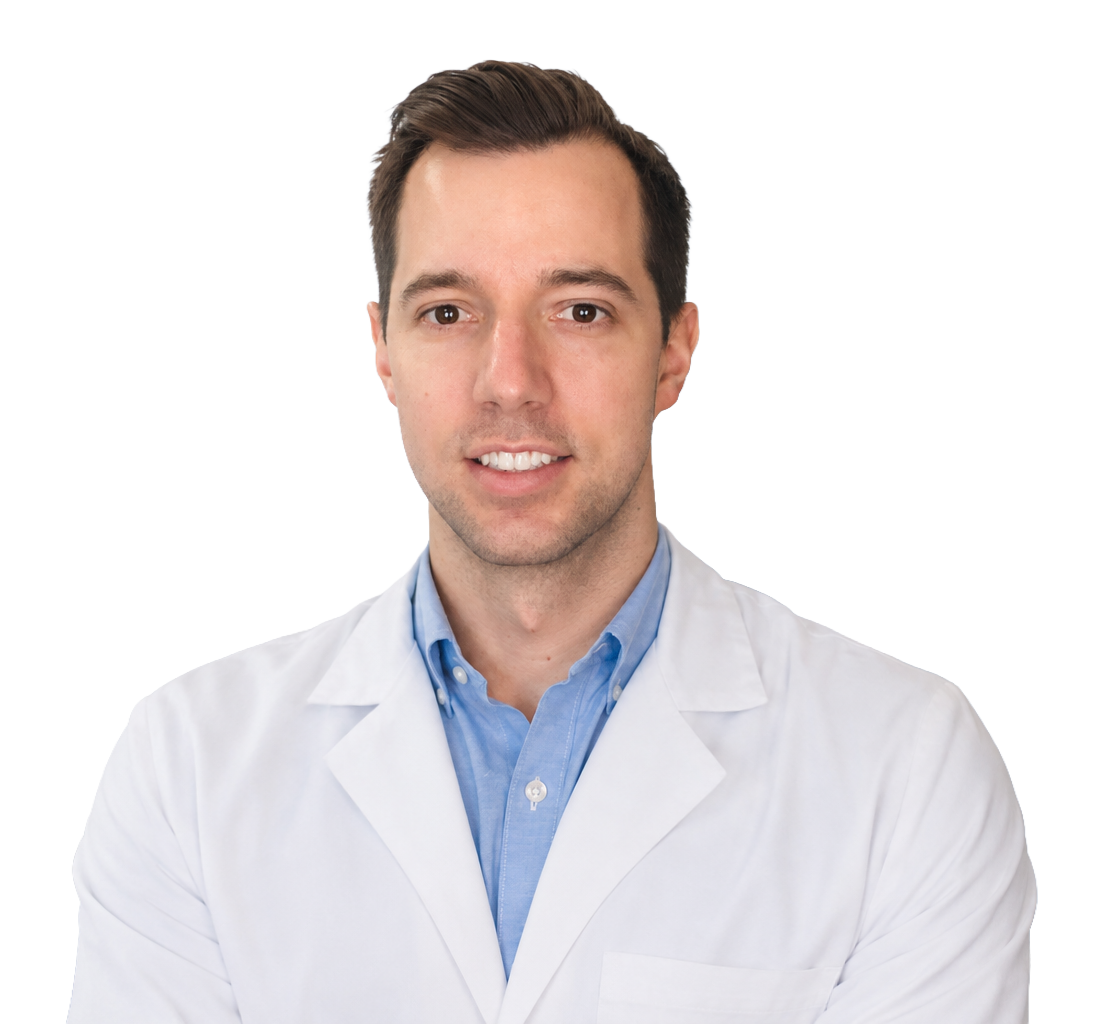
As the metabolic surgery landscape evolves with the rise of GLP-1 utilization, the role of surgical intervention remains critical for achieving long-term patient outcomes. In this expert-led live session, Dr. Noah Switzer addresses the clinical necessity of surgical excellence in today’s bariatric environment. This live session explores current best practices for bariatric optimization, followed by a detailed demonstration of the SADI-S procedure. Dr. Switzer will provide technical insights on navigating complex foregut anatomy, highlighting the integration of POWERSEAL™ advanced bipolar technology and Olympus visualization to ensure precision, safety, and efficiency. Join us to examine why surgical interventions endure as the gold standard for metabolic disease and learn how to translate evolving clinical data into high-yield surgical practice.
Published
Oct 2026
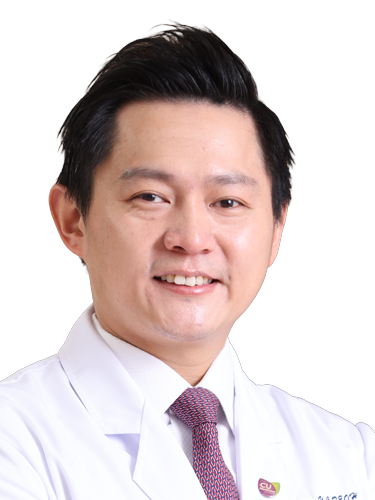
A surgical perspective on minimizing NMIBC recurrence. Dr. Teoh addresses the limitations of conventional TURBT and discusses the integration of 4K imaging and bipolar plasma energy platforms to facilitate en-bloc resection (ERBT). The lecture details step-by-step techniques for mucosal incision and blunt dissection down to the detrusor muscle, supported by recent randomized controlled trials and the progress of the global ERBT registry.
Published
Aug 2026
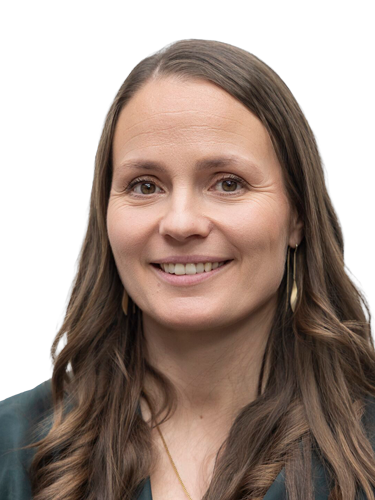
Dr. Gudbrandsdottir analyzes the complementary clinical applications of Narrow Band Imaging (NBI) and Photodynamic Diagnosis (PDD). Utilizing data from recent European multicenter trials, the session explores how enhanced imaging technologies influence surgical decisions and impact recurrence-free survival rates. The presentation also provides practical operating room troubleshooting tips for managing bleeding, air bubbles, and false positives.
Published
Aug 2026
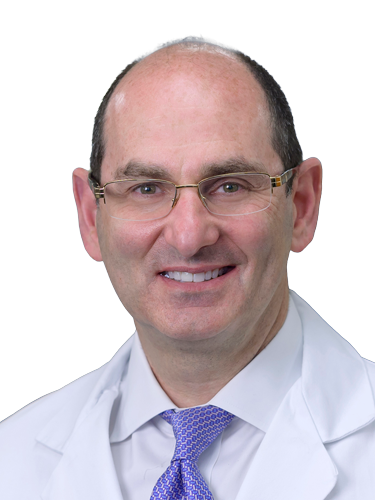
A clinical and scientific examination of Narrow Band Imaging (NBI) technology in bladder cancer management. Dr. Bochner details the biophysical mechanism of NBI, focusing on how the 415 nm and 540 nm wavelengths match hemoglobin absorption to highlight vascularization. The session reviews key clinical trial data on tumor detection sensitivity and showcases real cystoscopic comparisons of papillary and flat (CIS) lesions under white light versus NBI.
Published
Aug 2026
Share it with your network and help spread clinical knowledge.